Direct Answer: Neither pure self-custody nor keeping 100% of your funds on an exchange is optimal for every investor. The most resilient approach in 2026 is a hybrid custody model: store long-term Bitcoin (BTC) savings on an offline hardware wallet like Trezor M-Score 8.9, while diversifying active altcoins and yield-generating assets across top-tier regulated exchanges such as Kraken M-Score 8.7 and Binance M-Score 8.8, where institutional recovery, Earn yields, and legal inheritance pathways protect against human error.
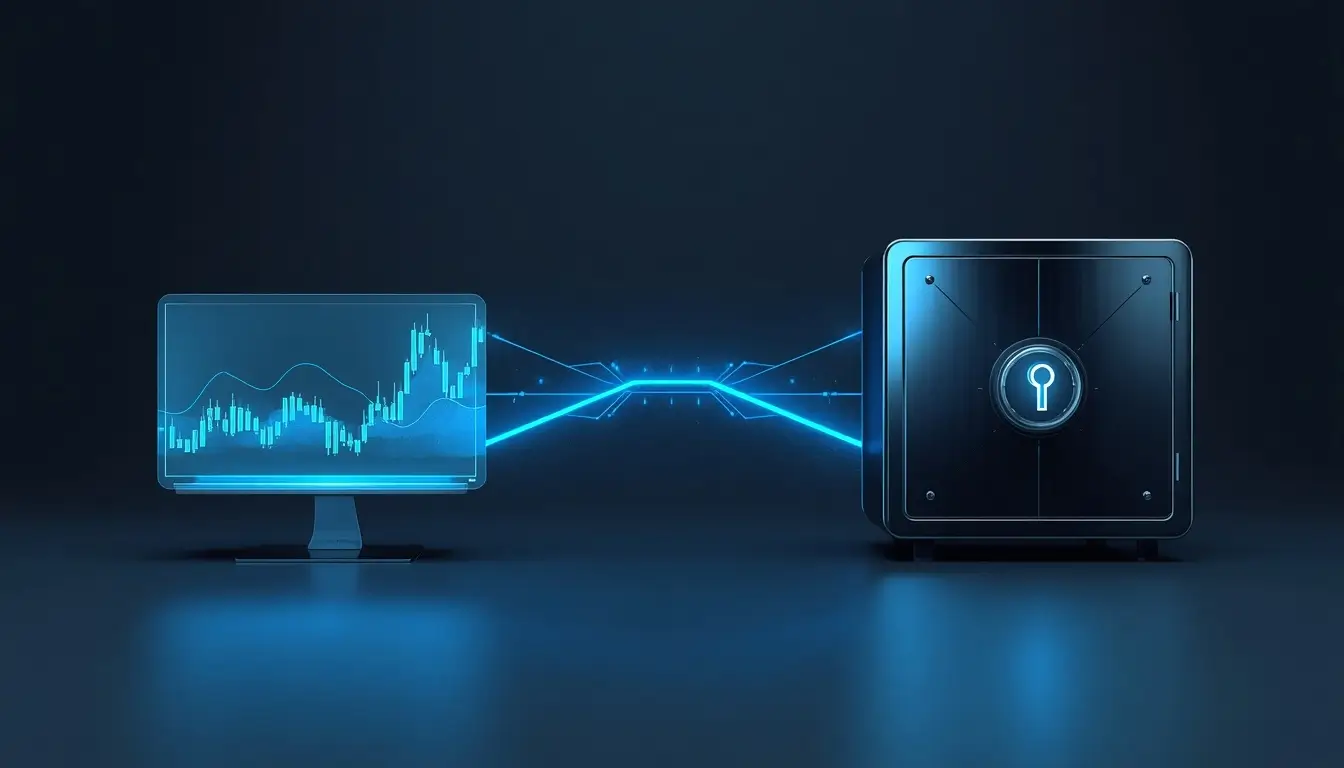
Live Rating & Custody Benchmark
| Platform | Trezor | Kraken | Binance |
|---|---|---|---|
| M-Score | 8.9 / 10 ★ Leader | 8.7 / 10 | 8.8 / 10 |
| Focus | HARDWARE WALLET / OPEN-SOURCE | TIER-1 SECURITY CEX | CEX / DEX / WEB3 |
| Highlights | Pioneering open-source hardware wallet founded in 2013 by SatoshiLabs, enabling borderless self-custody across Asia, Latin America, and global markets. Features audited firmware, EAL6+ Secure Element chips in Safe 3 and Safe 5 models, and full air-gapped sovereignty without KYC. | One of the oldest and most secure regulated cryptocurrency exchanges globally, founded in 2011 with zero major hot-wallet breaches. Offers deep fiat liquidity across USD, EUR, and GBP, low maker-taker fees on Kraken Pro, on-chain staking, and cryptographic Proof of Reserves audits. | The world's largest cryptocurrency exchange by trading volume, operating as a comprehensive Web3 ecosystem. Offers spot, margin, and futures trading for hundreds of digital assets, alongside native staking, P2P marketplaces, and decentralized wallet integrations. |
| Audit | Read Full Audit → | Read Full Audit → | Read Full Audit → |
Custody Models Compared: Exchange vs. Hardware Wallet
| Risk & Utility Factor | Top-Tier CEX (Kraken / Binance) | Hardware Self-Custody (Trezor) |
|---|---|---|
| Best Asset Class | Altcoins, stablecoins, active trading & Earn yield | Long-term Bitcoin (BTC) cold storage |
| Lost Access / Password | Recoverable via KYC identity verification | Permanent loss if 12/24-word seed phrase is lost |
| Inheritance & Estate | Legal probate transfer possible via death certificate | Zero recovery without pre-arranged family instructions |
| Passive Yield (Earn) | Built-in flexible/locked staking & Earn products | Limited native staking; requires smart contract exposure |
| Primary Threat Vector | Exchange insolvency, account freeze, or platform hack | Human error, phishing signatures, seed-phrase theft |
The Overlooked Risk of Self-Custody: Human Error & Inheritance
Traditional crypto dogma repeats a single slogan: “Not your keys, not your coins.” While self-custody eliminates third-party insolvency risk, it shifts 100% of operational and physical security onto the individual—and in practice, human error remains the single biggest cause of permanent crypto loss.
A 12- or 24-word recovery seed phrase is both a superpower and a single point of failure. On one hand, it allows you to restore your entire Bitcoin balance across any border on a new device. On the other hand, if the physical backup is destroyed in a fire, misplaced during a move, or if the owner passes away unexpectedly without leaving clear instructions, those digital assets are mathematically locked forever—no customer support desk can recover them.
Sharing a seed phrase with multiple relatives to ensure family inheritance creates a severe paradox: every additional person who holds your recovery words multiplies the human-factor attack surface. Until the Web3 industry builds standardized, user-friendly decentralized inheritance vaults, regulated Tier-1 exchanges retain a major real-world advantage—legal heirs can submit official probate documentation and actually claim the family’s assets.
Why Diversifying Altcoins Across Top Exchanges Makes Sense
For multi-chain altcoins and active portfolios, self-custody introduces additional friction: managing dozens of network gas tokens, bridging risks, and malicious smart-contract approvals (such as the September 2026 browser wallet infrastructure incidents). Keeping altcoins diversified across two or three high-scoring centralized exchanges solves two practical problems:
- Capital Efficiency via Earn Products: Idle assets on platforms like Binance or Kraken can generate steady yield through flexible savings and on-chain staking without manually interacting with complex DeFi smart contracts.
- Institutional Accountability & Reimbursement Track Record: While past performance is never an absolute guarantee of future safety, Tier-1 exchanges have massive reputational and balance-sheet incentives to protect clients. Even after the historic October 2026 hot-wallet breach on Binance, the platform mobilized frozen recoveries and corporate reserves to make affected users whole—a safety net that simply does not exist if you sign a malicious transaction in a self-custodial wallet.
The Blueprint: How to Execute a Hybrid Custody Strategy
Instead of choosing an all-or-nothing extreme, divide your portfolio by time horizon and asset purpose:
- Long-Term Bitcoin Vault (Cold Storage): Move long-term BTC holdings you do not plan to trade for years onto an open-source hardware wallet like Trezor. Write down a clear, step-by-step recovery guide for your spouse or next of kin—explaining what the device is and how to access the backup safely—without exposing raw seed words to insecure cloud storage or multiple people.
Pioneering open-source hardware wallet founded in 2013 by SatoshiLabs, enabling borderless self-custody across Asia, Latin America, and global markets. Features audited firmware, EAL6+ Secure Element chips in Safe 3 and Safe 5 models, and full air-gapped sovereignty without KYC.
- Active Altcoins & Yield Portfolio (Diversified Tier-1 CEXs): Split trading capital and yield-bearing altcoins across at least two top-rated exchanges—such as Kraken (for cryptographic Proof of Reserves and strong fiat rails) and Binance (for deep liquidity and Earn programs). Enable hardware FIDO2 2FA and withdrawal address whitelisting on every exchange account.

One of the oldest and most secure regulated cryptocurrency exchanges globally, founded in 2011 with zero major hot-wallet breaches. Offers deep fiat liquidity across USD, EUR, and GBP, low maker-taker fees on Kraken Pro, on-chain staking, and cryptographic Proof of Reserves audits.

The world's largest cryptocurrency exchange by trading volume, operating as a comprehensive Web3 ecosystem. Offers spot, margin, and futures trading for hundreds of digital assets, alongside native staking, P2P marketplaces, and decentralized wallet integrations.
Frequently Asked Questions
What happens to my crypto on an exchange if I pass away?
Major regulated exchanges including Kraken M-Score 8.7 and Coinbase M-Score 8.3 maintain formal estate and probate procedures. Legal heirs can contact the exchange’s compliance team with a death certificate, proof of identity, and court probate documents to transfer account balances—something impossible with a standard hardware wallet if the seed phrase is unknown.
Why keep only Bitcoin in cold storage and altcoins on exchanges?
Bitcoin is designed as a long-term store of value that rarely needs frequent smart-contract interactions or network migrations. Altcoins, by contrast, frequently undergo token swaps, network upgrades, and staking cycles—which exchanges handle automatically while offering native Earn yields.
How can I reduce risk when using centralized exchanges?
Never keep all your exchange funds on a single platform. Diversify across two or three high-M-Score exchanges, use a dedicated email with hardware security keys (YubiKey), and disable instant API withdrawals.
Disclaimer: This comparison is for informational purposes only and does not constitute financial, investment, legal, or trading advice. Digital assets and exchange Earn products carry risk. Manulik operates as an independent directory—we do not accept paid placements or affiliate commissions to alter our rankings.
Top-Rated Tools Related to This Guide
Automatically matched from our independent directory based on 4-pillar M-Score ratings (no paid placements):